
What native plant or animal best represent Devonport
We’re on the hunt for which native plant and animal best represent Devonport and should become Devonport’s official emblems!
Thank you so much for all your suggestions, our judges have whittled the selections down to the top 5. Please vote for your favourite below.
Devonport’s natural identity is in your hands.
Fauna
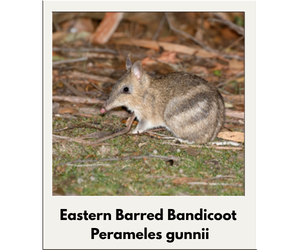
Iconic Tasmanian marsupial and conservation success story. Strong public recognition and symbolic value.
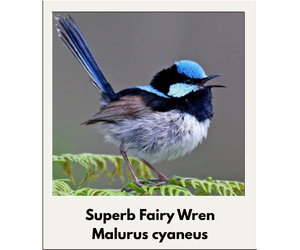
Bright blue songbird commonly found in gardens, reserves and coastal scrub. A well-loved and highly recognisable Tasmanian bird.
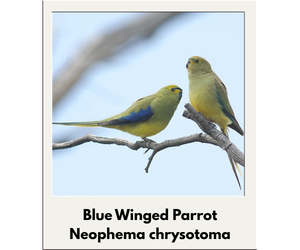
Vulnerable parrot strongly associated with Tasmania and Bass Strait habitats. Striking colours and conservation significance make it a strong emblem contender.
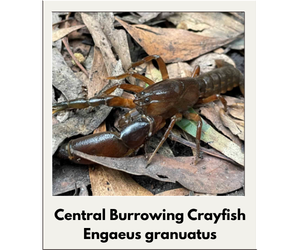
Endangered burrowing crayfish found almost exclusively in central northern Tasmania. Its range centres on the Devonport region, making it one of the most uniquely local species available.
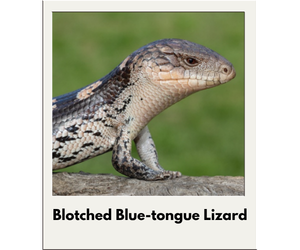
Tasmania’s largest lizard, recognised for its distinctive blue tongue and adaptability to gardens and bushland.
Flora
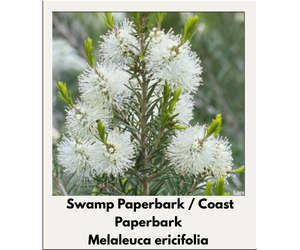
A distinctive paper-barked shrub or small tree that occurs in wetlands, estuaries and floodplain environments. Strongly represents Devonport’s coastal and riverine landscape.
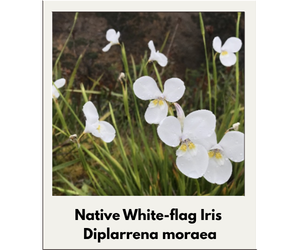
A striking Tasmanian native iris producing showy white flowers in spring. Widely distributed across Tasmania and suitable for public gardens.
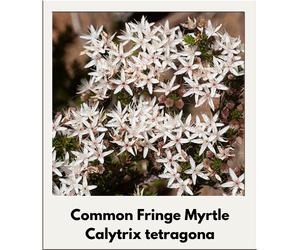
Attractive native shrub with star-like flowers, commonly associated with coastal heathlands and dry bushland.
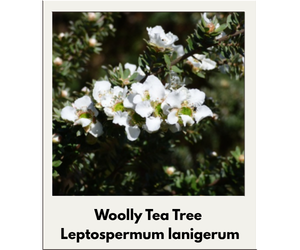
A hardy Tasmanian tea-tree with soft, woolly foliage and long-lasting seed capsules, thriving in moist, sheltered or waterlogged environments. Provides excellent habitat, supports honey production, and forms part of the natural structure of Tasmania’s wet heaths and riparian vegetation.
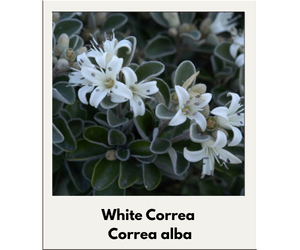
Hardy coastal shrub with distinctive white flowers, strongly linked to Bass Strait and north coast environments.